
The city of Leeds is home to many streets, each with its own unique history and contributing to the city’s vibrant atmosphere. Today, we turn our attention to Briggate – a street with a rich heritage dating back to the early 13th century. Learn more at leeds-future.com.
The History of Briggate
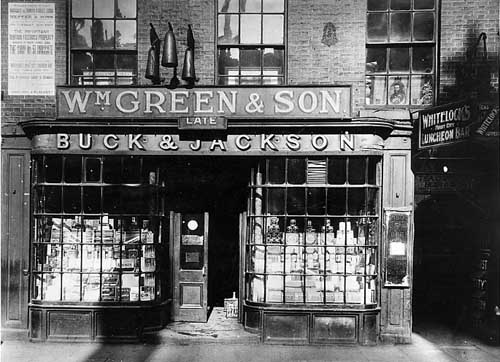
The name ‘Briggate’ originates from the combination of the Old English word brycg (bridge) and the Old Norse gata (street), indicating its historic role as the road leading from the Leeds Bridge – the oldest crossing over the River Aire.
Historians highlight Briggate’s significant role, as it has been the main commercial street of Leeds since the city’s founding. The land on either side of the street was divided into 30 “burgage plots” designated for craftsmen and traders. By the end of the 13th century, fairs and markets were already being held on Briggate, fuelling the development of the wool industry, which was the backbone of Leeds’ economy at the time.
By the 18th century, Leeds had grown into a prosperous region with a thriving textile industry. Briggate remained the city’s commercial centre.
The Street’s Further Development
The 19th century saw substantial changes to the street, including the construction of Victorian shopping arcades such as Thornton’s Arcade (1878) and the Grand Arcade. These arcades have become architectural landmarks of Leeds. They feature clocks crafted by the renowned firm William Potts & Son, complete with figures of historical and legendary characters – elements that lend the street its distinctive charm.
Briggate has continuously evolved and been improved for residents’ comfort. By the early 20th century, it had become a bustling shopping hub, filled with shops, cafés, and theatres. In fact, a 1909 Leeds promotional brochure described the street as a place that had undergone tremendous transformation in recent decades, with modern buildings. At the time, horse-drawn carriages and trams travelled along the street, a testament to its importance in city life.
In 1993, Briggate was pedestrianised, making it more accessible and enjoyable for locals and supporting the growth of retail activity. Six years later, the street was paved with York stone and granite, enhancing its visual appeal.
In 2013, the southern end of Briggate welcomed the opening of the modern shopping and leisure complex Trinity Quarter, replacing the outdated Burton’s Arcade from the 1970s.
Today, Briggate is a pedestrianised street stretching approximately half a kilometre. Without exaggeration, it is the main commercial and cultural artery of Leeds. It is home to hundreds of shops, cafés, and restaurants, and on weekends the street comes alive with street performers and musicians. These events bring energy and charm to the area, making it attractive for both residents and tourists.
One of Briggate’s highlights is Thornton’s Arcade, a historic shopping arcade built in 1878, renowned for its clock with legendary characters and elegant Victorian architecture. Also on the street is the Grand Arcade – one of Leeds’ main shopping galleries – which blends modern design with preserved historical features.
Queens Arcade is another popular shopping destination, located nearby and forming part of the city centre retail complex. Briggate is also known for its fine examples of Victorian architecture, with many buildings along the street retaining their 19th-century façades. This gives the street a unique historical character that continues to enchant visitors.
That’s the story of one of the most iconic streets in central Leeds. We hope you found this article informative and that it helped you learn something new about our beloved city.

