
The city of Leeds continues to amaze every year with its architecture and remarkable locations. The streets of our beloved city captivate visitors and create a unique atmosphere. Today, we turn our attention to Queen Victoria Street, located in the historic heart of Leeds. This street is a gem of the shopping district and an important cultural landmark, combining the elegance of Victorian architecture with the vibrancy of modern urban life. Learn more at leeds-future.com.
What We Know About Leeds’ Brightest Thoroughfare
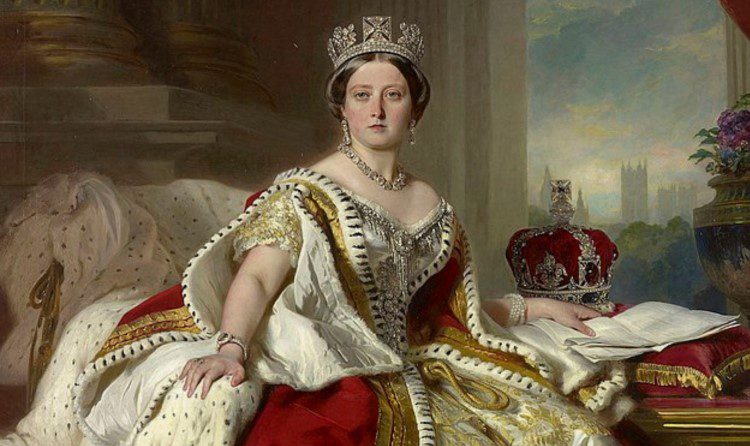
Historians note that during Queen Victoria’s reign (1837–1901), Leeds became a major economic hub in Northern England. This was an era of significant economic, cultural, and industrial growth, both for the country and for Leeds itself.
The name of the street reflects respect for the monarch and her impact on the city’s development during the Victorian period. In the 19th century, Leeds experienced rapid growth due to the Industrial Revolution, particularly in the textile sector. Queen Victoria Street became a key commercial artery, home to shops, banks, and offices. This marked the city’s growing importance as a northern economic centre. The street name appeared in the second half of the 19th century, during a time when many Victorian-style buildings were being constructed in Leeds — a style that still defines this area’s architectural character today.
The Street Today
One of the street’s standout landmarks is the Royal Armouries Museum. It is one of three national museums of arms and armour and holds an extensive collection of historical weaponry and artefacts. The museum is a significant cultural attraction, popular with both locals and tourists.
Nearby lies the iconic Leeds Town Hall, completed in 1858. This masterpiece of Victorian architecture is adorned with Corinthian columns and features a 61-metre clock tower — now a symbol of the city. Also close to Queen Victoria Street are the famous shopping arcades: Grand Arcade and Queens Arcade, dating back to the 19th and early 20th centuries.
Today, Queen Victoria Street remains a vibrant pedestrian zone, home to numerous cafés, boutiques, and cultural venues. Due to its central location, it connects key parts of the city. It also forms part of a historic route that illustrates Leeds’ transformation from a medieval market town to a modern metropolis with a population of nearly 800,000.
As mentioned above, many of the buildings on the street are built in classic Victorian style, featuring decorative facades, the use of brick and stone, and ornate architectural details. This style was highly popular in 19th-century Britain and symbolised economic prosperity and industrial advancement.
Queen Victoria’s Importance to the Nation
Queen Victoria ruled the United Kingdom of Great Britain and Ireland for over 63 years — one of the longest reigns in British history, which gave its name to the Victorian era. It was a period marked by tremendous industrial, political, scientific, and military changes, as well as the expansion of the British Empire.
During Victoria’s reign, significant political reforms took place: the monarch’s power became more symbolic, while the role of Parliament grew stronger. The Queen placed great emphasis on morality and family values, which distinguished her from her predecessors. Her era saw the boom of industry, the construction of railways, the abolition of slavery, the strengthening of Britain’s international status, and the expansion of its colonial empire. In 1876, Parliament granted Victoria the title Empress of India.
As for her personal life, she married Prince Albert of Saxe-Coburg and Gotha in 1840. He was her lifelong love and closest confidant. The couple had nine children, who through dynastic marriages earned Victoria the nickname “Grandmother of Europe.”
When Prince Albert died in 1861, Victoria mourned deeply and withdrew from much public life. She passed away on 22 January 1901, leaving behind a legacy as a symbol of stability, moral values, and the might of the British Empire.
Naming a street in Leeds after Queen Victoria reflects not only respect for the monarch herself but also the city’s desire to associate with the spirit of triumph, progress, and modernisation that defined the Victorian age. Queen Victoria Street thus highlights the importance of Leeds as a major economic and cultural centre in Northern England during the Industrial Revolution — a period that greatly contributed to the city’s rapid growth and development.
We hope this article was insightful and helped you learn more about your city. Which building comes to mind when you think of Queen Victoria Street?
Sources:

