
Every city has its own legends and mystical stories, which usually lack historical evidence. However, these myths and tales attract tourists and make city tours all the more fascinating. Leeds is an ancient city, and like many such places, it is surrounded by mystical stories, folktales, and legends. Today, we’ll share some of the most popular legends and myths of our beloved city. Find out more at leeds-future.com.
Kirkstall Abbey: More Than Just a Historical Landmark
It is known that the first written record of Leeds dates back to 1086, and by 1207 the town had been granted market rights. Over the years, many stories have emerged in the city — passed down from generation to generation.
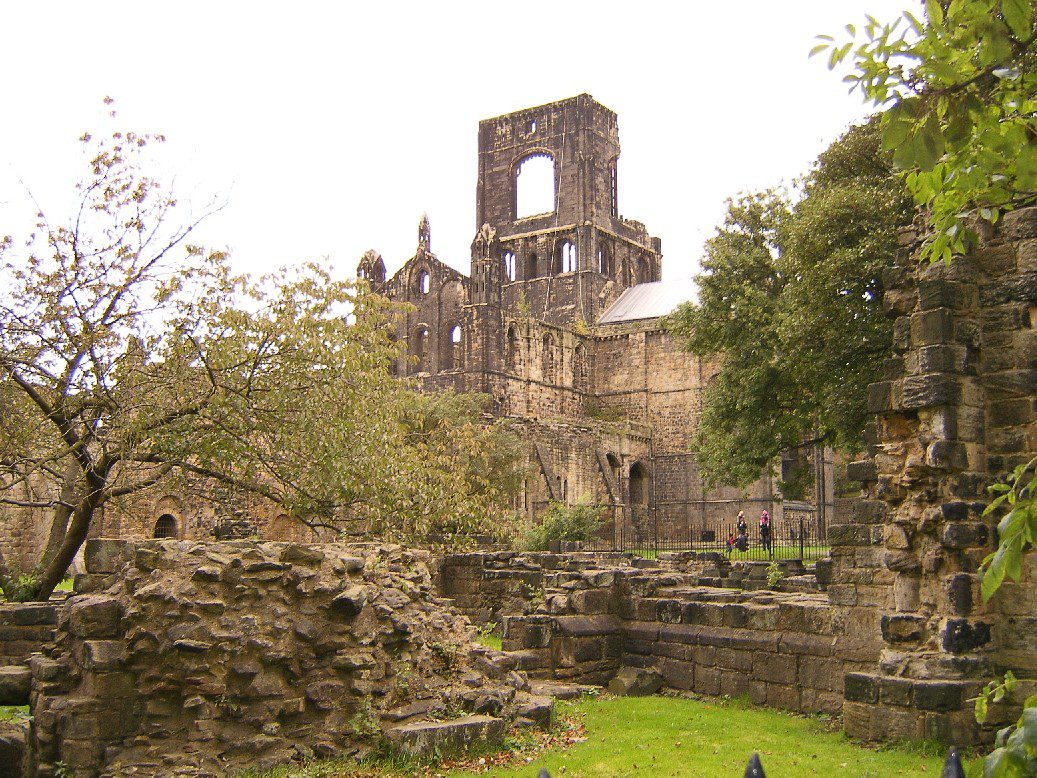
One of the most famous local legends is that of Kirkstall Abbey, a prominent historical landmark just outside Leeds. According to folklore, beneath the abbey lies a sprawling network of secret underground tunnels. These were once allegedly used by monks for clandestine meetings or as escape routes during attacks. These tunnels remain largely unexplored to this day, fuelling numerous theories about hidden treasures or wandering spirits. It is said that ghosts still roam the dark corridors.
This monastic complex is a striking example of medieval architecture and boasts a rich history dating back to the 12th century. The abbey’s foundation is closely tied to the spread of Christianity and monastic life in Yorkshire. Historians note that Kirkstall Abbey was founded in the 12th century as a home for Cistercian monks — one of the most influential religious orders in medieval Europe. The Cistercians were known for their strict ascetic lifestyle and self-sufficiency, values which shaped their way of life. Kirkstall Abbey is located on a picturesque hill above the River Aire, which provided natural protection and access to water.
In the 16th century, during the English Reformation, the abbey was dissolved by order of King Henry VIII, and its buildings gradually fell into ruin.
The Water Spirit in the River Aire
The River Aire, which flows through Leeds, is also linked to local legends. Residents speak of a mysterious water spirit that guards the river’s waters. According to witnesses, the spirit appears in the mist to warn of danger or to help lost travellers.
The River Aire flows through the heart of Leeds and is one of the main waterways of the region. Historically, it has played a vital role in the city’s development. During the Industrial Revolution (from the 17th century), the river provided vital transport links and contributed significantly to Leeds’s economic growth.
The Wishing Stone in the City Centre
There is another legend in our city, one that is far less eerie. On the contrary, it inspires hope and belief among both tourists and locals. It is said that in the centre of Leeds there is a “Wishing Stone” — and if you touch it and make a heartfelt wish, it will certainly come true. This stone symbolises hope, belief in miracles, and the power of positive thinking. Some legends also claim that the stone carries a special energy that helps people find inner peace and inspiration. Some residents believe the stone is connected to ancient rituals where it served as a symbol of renewal and new beginnings.
There is also an alternative version of the legend, which says that the stone was placed there in the medieval period and, over the centuries, has witnessed countless historical events and personal stories — giving it its mystical significance.
These are just a few of the mystical stories that swirl around Leeds. Whether you choose to believe in them or not is entirely up to you.

