

During the 19th century, public transport systems in major English cities evolved progressively, connecting people and places more efficiently. Some of the first means of transport were quite unconventional—bulky and lacking modern conveniences like rubber tires. Initially powered by horses, the most effective trams were those equipped with steel wheels running on metal tracks. The development of public transport in Leeds has a fascinating story, full of innovation and adaptation. Read more on leeds-future.com.
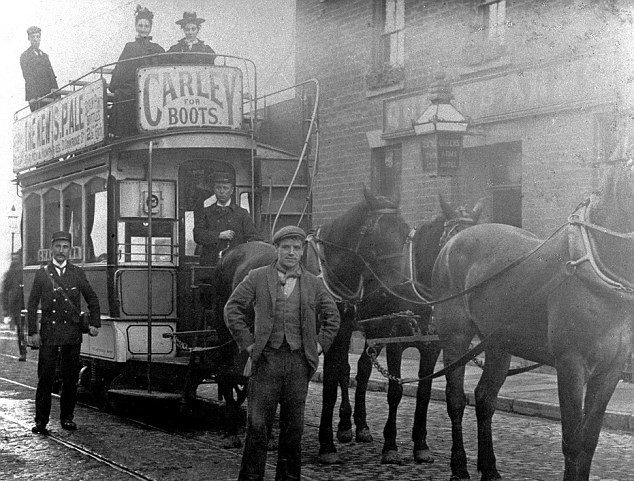
First Horse-Drawn Trams in Leeds
Leeds was a rapidly growing city that kept pace with other major urban centres in Britain. Few civic initiatives had a more significant impact on the city than the introduction of horse-drawn trams in one of West Yorkshire’s prominent towns. In 1871, a parliamentary act allowed the Leeds Tramways Company to lay tram tracks on the streets of the city.
On 16 September 1871, the first route for horse-drawn carriages opened, connecting the city centre to the Woodman Inn in Headingley. Shortly after, additional tram routes were established to York Road, Meanwood, Hunslet, and Wortley. With these expansions, the network grew to a total length of more than 14 miles (22.5 km). Near St Chad’s Church in Headingley, a tram depot was constructed, including stables to house 124 horses.
The earliest trams were single-deck vehicles, but later the company introduced double-deck trams, which became a signature feature of the Leeds Tramways Company.
Steam-Powered Trams
In October 1877, the Leeds Tramways Company began experimenting with steam-powered vehicles. By June 1880, double-deck trams were being pulled by steam engines manufactured in Hunslet, on the southern outskirts of Leeds. The government at the time issued regulations permitting local authorities to operate these steam-powered trams. By 1882, steam-powered trams were also introduced in Headingley.
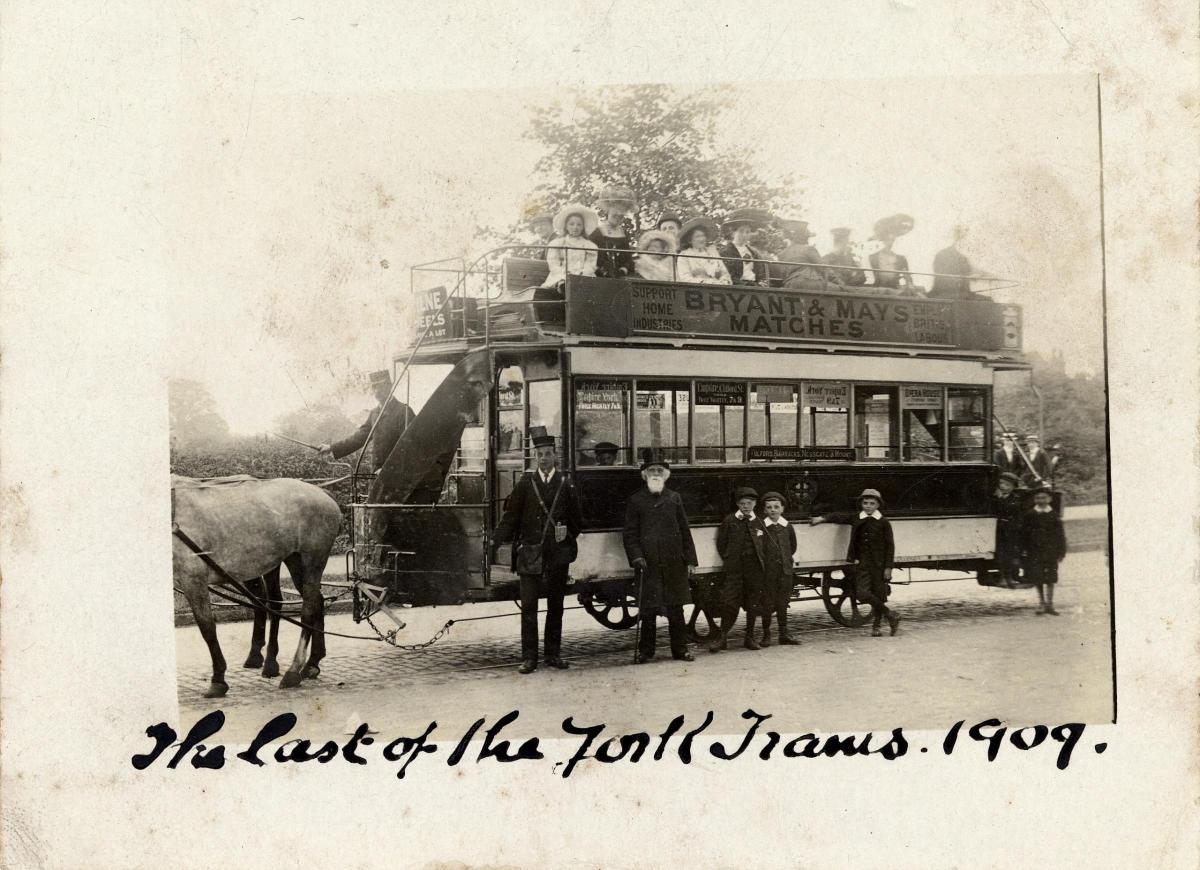
The development of steam engines was spearheaded by Thomas Green and James Kitson’s Foundry. Thomas Green & Son, Ltd. began constructing steam tram locomotives in 1882. Initially designed by William Wilkinson, these locomotives lacked condensation equipment commonly used in other steam tram engines. Soon, the company developed its own unique design featuring a horizontal boiler, inclined cylinders, and a Joy valve mechanism. These advancements made Green’s steam tram engines market leaders. Leeds Tramways Company ordered 13 steam tram locomotives, while Kitson and Company built over 300 steam tram engines, 17 of which became part of Leeds’ fleet.
Despite these innovations, steam-powered trams faced numerous challenges. Their heavy engines caused significant damage to the lightweight rails, and they struggled on steep routes, often slipping on wet tracks. Strict regulations limited the amount of smoke and steam emissions, leading to the use of condensers to cool and recycle exhaust steam. However, this added weight further exacerbated existing problems. Consequently, many steam trams were replaced with horse-drawn vehicles and, later, electric trams.
Electric Trams
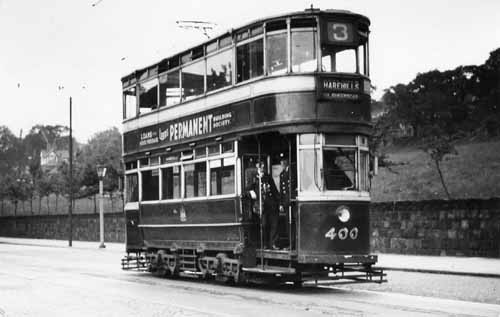
In 1891, Leeds became the first city in Europe to introduce overhead electric tram systems. The groundbreaking Roundhay Electric Tramway was launched in late October 1891, although passenger services officially began the following month. Operated by Leeds Corporation, the electric tram line was a significant innovation.
Initially, Leeds Corporation experimented with electrification on parts of two horse-drawn routes: from Roundhay Road to Sheepscar and from Beckett Street, Harehills, to Roundhay Park. These routes were opened in stages, with the first municipal electric trams operating between Roundhay (Canal Gardens) and Kirkstall Abbey via Briggate and Boar Lane. By 1927, the number of municipal trams in Britain reached an all-time high.
In 1933, Leeds introduced a new tram model, the “Middleton Bogies,” on the Middleton route. These trams, which could carry 70 passengers, featured enhanced comfort and were considered among the finest ever designed in Britain. Between 1928 and 1944, tram fares in Leeds remained unchanged, making the service highly affordable and popular. At its peak, over 200 million passengers used the city’s trams annually.
Closure of the Tram Network
By 1927, municipal trams had reached their zenith in the UK. However, by the 1930s, concerns arose about trams being outdated, unsafe, and contributing to traffic congestion. Despite post-war plans for significant tram network expansions, local councils increasingly viewed trams as expensive to maintain, with new vehicles and tracks costing more than buses. The lack of domestic suppliers for tram rails, which had to be imported from Germany, further complicated matters.
In November 1959, Leeds’ tram system was permanently closed, following a national trend towards bus-only public transport. However, Leeds continued to modernise its tram network even as other cities abandoned theirs. In the early 1950s, the city developed two prototypes of modern single-deck trams similar to those in continental Europe. Additionally, Leeds acquired 90 used “Feltham” trams from London Transport.
Some researchers argue that the closure of the tram network was a short-sighted decision. Most tram lines in Leeds ran on reserved tracks, avoiding interference with road traffic. Leeds boasted one of the most advanced urban transport systems in the UK, with new trams and lines still being developed before the network’s closure. Since the 1980s, there have been numerous attempts to revive trams in Leeds, but none have been successful.
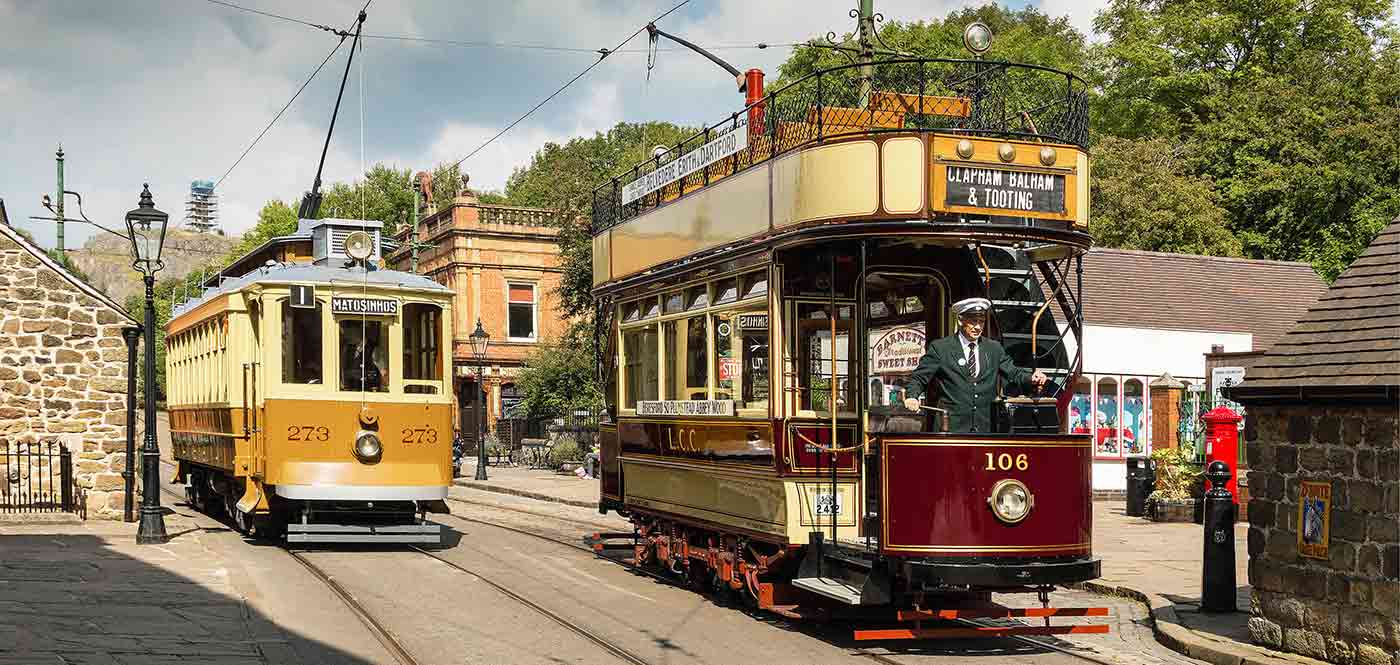
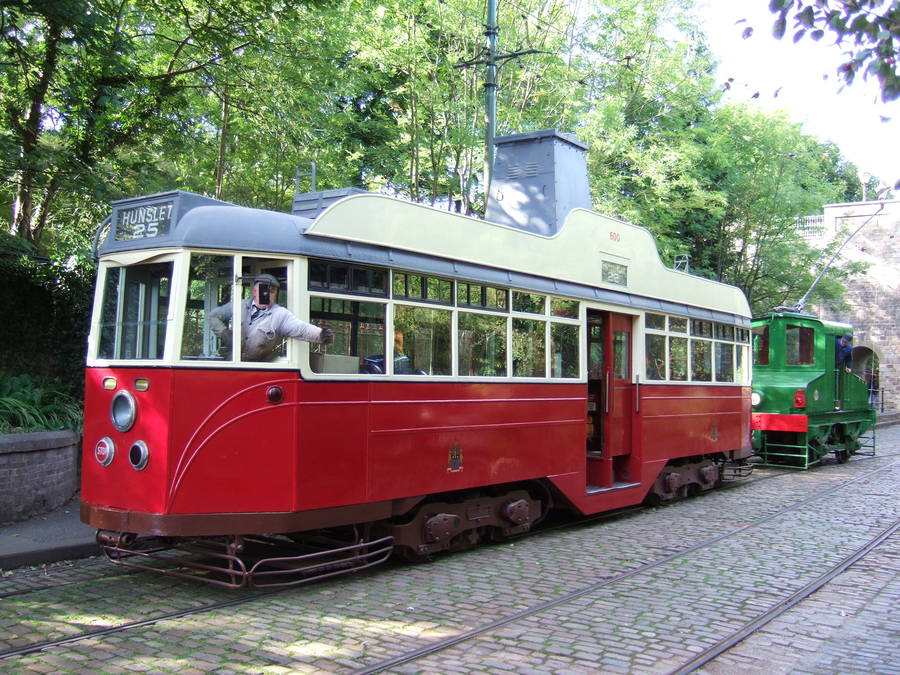
Several Leeds electric trams are preserved at the National Tram Museum in Crich, where they have been meticulously restored. Visitors can even ride some of these historic trams on short journeys through the museum grounds. The Leeds Transport Historical Society, a registered charity, works tirelessly to preserve historic transport vehicles from the city. The society has saved several trams now displayed at the museum, ensuring their legacy lives on.