
Leeds is one of the largest cities in the United Kingdom, full of life, development and constant transformation. New homes, shopping centres and business facilities are continuously being built, with many construction projects supported by the local city council. Today, however, we turn our attention to the Royal Armouries Museum – one of Leeds’ most ambitious and iconic innovative developments. Learn more about this on leeds-future.com.
The Creation of the Royal Armouries Museum
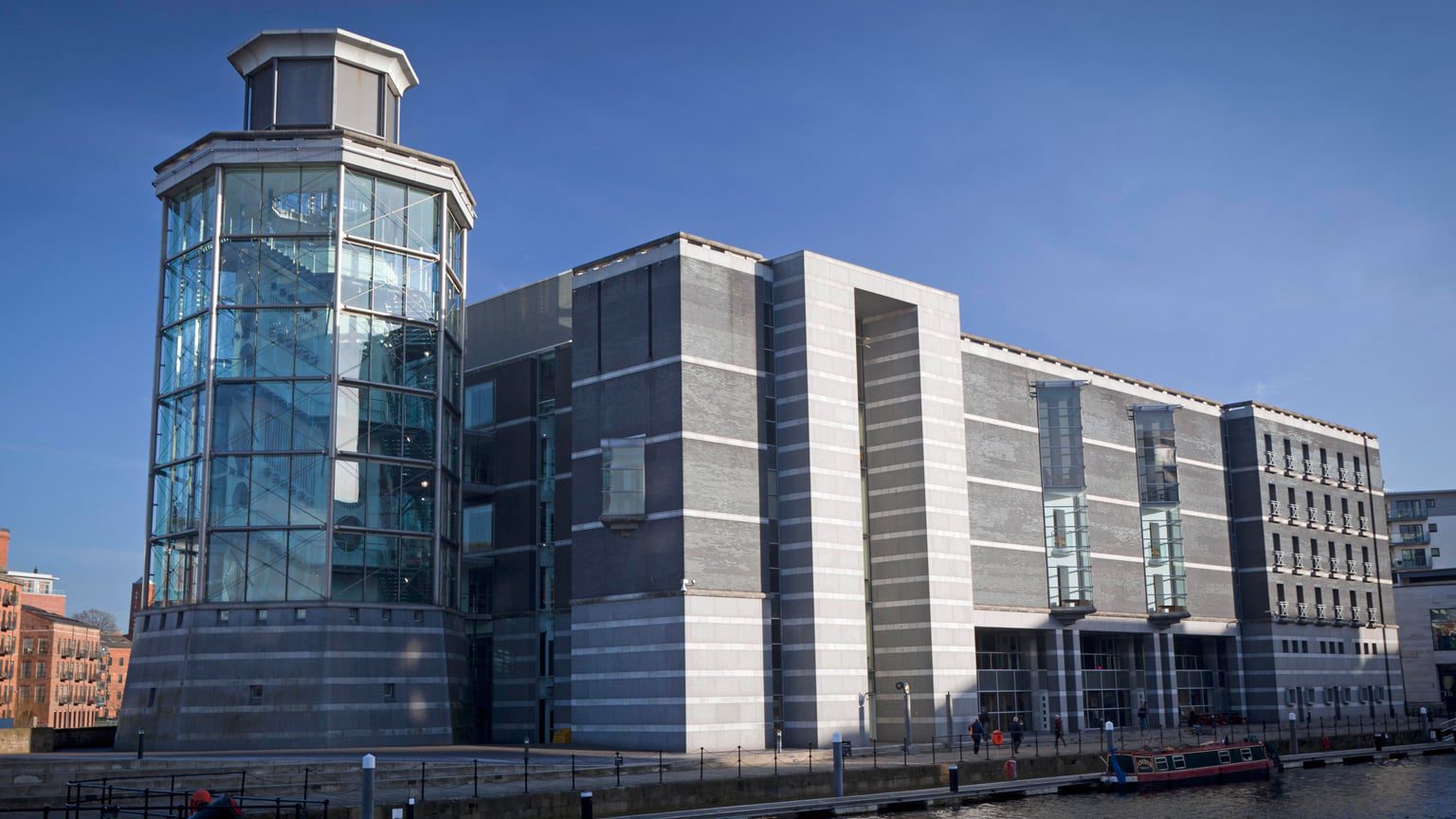
The idea for the Royal Armouries Museum in Leeds was initiated in the early 1990s as part of the broader Strategy 2000 plan. This strategy aimed to provide a purpose-built facility for the national collection of arms and armour. At that time, the entire collection was predominantly housed in the Tower of London, which lacked sufficient space. As a result, there arose a clear need to establish a new museum in the north of England.
Leeds was chosen as the location for the new museum, specifically the Clarence Dock area. The total cost of the project was approximately £42.5 million, and the architect responsible for the design was Derek Walker.
A Project That Transformed Leeds
Construction of the Royal Armouries Museum was completed in 1996, and the grand opening was attended by Her Majesty Queen Elizabeth II. The building was purposefully designed not only to house and exhibit the extensive collection but also to bring history to life through interactive displays, audiovisual presentations and live demonstrations of combat skills – including jousting tournaments and falconry shows. The museum’s exterior also features a purpose-built tiltyard and armoury workshops.
The project was funded through a Private Finance Initiative (PFI), with contributions from the UK government, Leeds City Council, the Leeds Development Corporation, private investors and financial institutions.
As part of the Royal Armouries redevelopment project, the museum spaces were equipped with modern interactive technologies and energy-efficient systems. Energy-saving materials were used, along with heat recovery systems and smart lighting controls, which significantly reduced resource consumption.
The opening of the Royal Armouries Museum played a crucial role in the regeneration of what was then a heavily industrial area of Leeds – Clarence Dock – boosting the local economy and revitalising the city’s cultural infrastructure.
Other Innovative Projects in Leeds
Another major development worth noting is the South Bank Leeds regeneration project. This enormous scheme covers more than 170 hectares, with investments exceeding £2 billion. The area is being transformed with new office complexes, residential developments, university campuses and cultural venues.
Experts highlight that this project integrates the concept of a “smart city”, blending digital infrastructure with cutting-edge construction technologies. Around 60% of new buildings in the project are designed to meet BREEAM Excellent standards – one of the most rigorous environmental certifications in the construction industry. The use of renewable materials, low CO₂ emissions and high energy efficiency are key features of the development.
Also noteworthy is the Leeds Digital Hub – an innovative office space project designed specifically for IT and creative companies. These workspaces are equipped with smart home systems and automated climate control technologies, helping to foster the growth of the digital economy and attract talented professionals to the city.
These are just a few examples of the exciting and forward-thinking construction projects shaping the future of Leeds. We hope this article has provided you with valuable insight into your home city and its innovative development.

