

Leeds is a beautiful city with a unique history, loved by tourists worldwide. It offers architectural landmarks, parks, squares, museums, and more. Today, we explore the story of Leeds City Museum, a cultural gem of the city. Learn more on leeds-future.com.
The Museum’s Origins
The history of the museum dates back to 1819 when the Leeds Philosophical and Literary Society decided to establish a museum in the Philosophical Hall on Bond Street. Three years later, the museum opened its doors to the public. In 1842, the hall underwent reconstruction.
In the 1920s, the management of the museum was transferred to the Leeds Corporation. However, during World War II, the museum building and exhibits suffered severe damage from bombings. Consequently, in 1965, Leeds Museum was closed, and its artifacts were moved to several rooms within the city library.
In 1999, the museum collection was placed in storage, accessible only by appointment. A year later, a resource centre was established, but it operated on a similar basis, with visits by prior arrangement.
The Museum’s Reopening
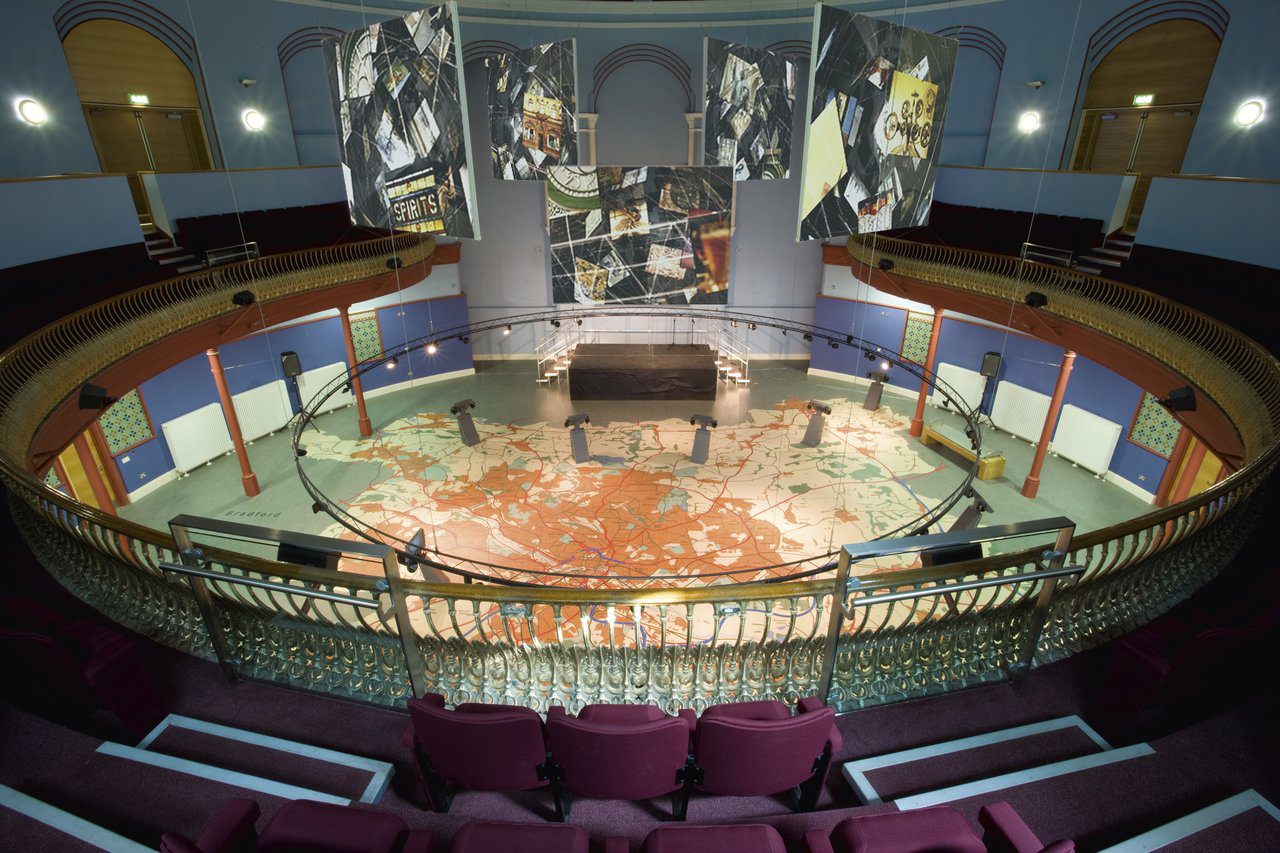
In 2001, Leeds City Council applied for National Lottery funding, and by 2004, they secured £19.5 million. As a result, reconstruction of the Leeds Mechanics’ Institute building began in 2005 to house the museum. In 2008, Leeds City Museum reopened to the public.
Exhibits at Leeds City Museum
- Life on Earth Gallery
This gallery provides visitors with insights into nature, featuring exhibits ranging from meteorites to dinosaurs. - The Leeds Tiger
One of the museum’s most popular exhibits, the Leeds Tiger, arrived in the city in 1862. The tiger was shot in 1860 by Colonel Charles Reid in the Dehra Doon Valley. Initially displayed as a tiger skin at an international exhibition in London, it was later reconstructed. The tiger remains a visitor favourite. - Ancient Worlds Gallery
This section showcases archaeological artifacts not only from Leeds but also from across the city, including a Roman floor mosaic, doors from a Hellenistic Greek tomb, and an iron copy of a Hellenistic Greek head of Aphrodite. Although two mummies were destroyed during the Leeds bombings of 1941, the 3,000-year-old mummy of Nesyamun survived. - The World Gallery
The themes of this gallery change periodically. For example, in 2014, it featured a long-term exhibition titled “Voices of Asia.” Since 2017, the focus has shifted to Buddhism. - Anglo-Saxon Rings Treasure
This exhibit delves into the city’s history, tracing its development from its earliest days to the modern era. - Special Exhibitions
These are regularly updated, offering new and exciting themes for visitors.
Why Visit Museums?
Residents and visitors to Leeds might not always prioritize museums, opting instead for parks, zoos, or restaurants. However, museums are incredibly beneficial, offering more than just entertainment. Here are some reasons to visit:
- Understanding Humanity: Museums shed light on human history, culture, and daily life, particularly through exhibits on the World Wars. These stories provoke thought and encourage reflection.
- Expanding Horizons: Museum visits enhance knowledge, foster new emotions, and broaden perspectives.
- Inspiration: Art and history positively impact mental well-being. Museums often leave visitors feeling inspired and creative.
- Conversation Starters: Museum experiences provide unique topics for discussions with friends and colleagues beyond the usual talk about weather or politics.
- Peace and Relaxation: Museums offer a tranquil environment where visitors can escape life’s stresses and immerse themselves in art, history, and culture.
- Educating the Next Generation: Art and culture play a crucial role in personal development. Regular museum visits are invaluable for children, helping them grow into well-rounded individuals.
- New Experiences: Visiting a museum is far more enriching than scrolling through social media. It allows you to connect with history and discover something fascinating and educational.
This is the story of Leeds City Museum, an institution with a rich history and invaluable cultural significance. We hope you enjoyed this article and learned more about your city.