
In the 21st century, alternative energy has been rapidly gaining momentum, significantly reducing carbon emissions into the atmosphere. As one of the largest cities in the United Kingdom, Leeds is actively advancing its alternative energy sector and implementing new projects in this area. In this article, we take a closer look at how Leeds is embracing the future of energy. For more details, visit leeds-future.com.
Heating Residential Homes
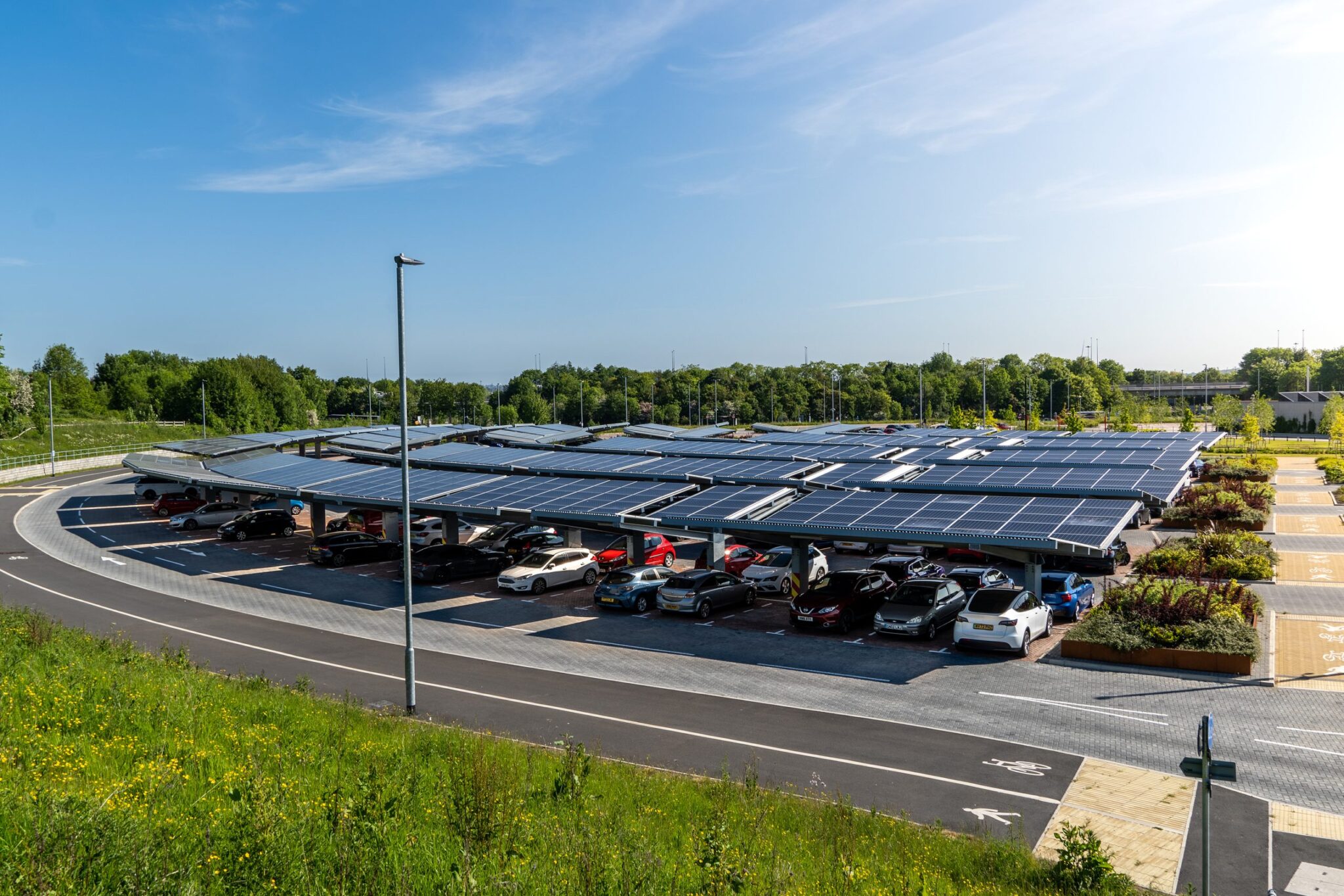
Alternative energy attracts significant investment—not only in economic terms, but also in the environmental sphere. This is precisely why Leeds is home to numerous innovative and efficient projects.
One such initiative involves the use of hydrogen to heat residential properties. Launched in 2017, the project aims to introduce up to 20% hydrogen into the city’s gas distribution network. Hydrogen is being used as an alternative to conventional natural gas for heating and cooking. As a result, it helps to considerably reduce carbon emissions and make home heating systems more environmentally friendly. This approach is part of a broader strategy to promote renewable energy and reduce the city’s carbon footprint.
The initiative is backed by both public and private investment, as well as academic research that explores the technical and economic feasibility of deploying hydrogen systems on a city-wide scale.
Investment in Alternative Energy
The United Kingdom as a whole is showing significant growth in the share of renewable energy. At present, over 46% of all investments are directed towards electricity generation. Additionally, the country is making substantial investments in nuclear energy, which accounts for around 15% of total energy supply. Experts note that nuclear power stations continue to serve as a stable base energy source, complementing variable renewables such as wind and solar.
It is also worth mentioning that the development of alternative energy in Leeds is having a clear positive impact on the city’s environmental health. By using renewable resources such as wind, solar and hydrogen, the city is reducing its emissions of greenhouse gases and harmful pollutants—key contributors to climate change and air quality deterioration.
Hydrogen energy, in particular, is actively being researched in Leeds. When produced from renewable sources as “green hydrogen”, it emits no harmful by-products. This has the potential to significantly improve the local environmental situation.
The transition to alternative energy sources is also helping to reduce environmental degradation in Leeds. It lowers thermal and chemical emissions, and minimises the impact on natural landscapes when compared to traditional coal or gas-based production. Moreover, such initiatives have a direct effect on public health, reducing mortality linked to air pollution and other environmental risks.
Alternative energy is an increasingly important sector of interest across most European countries. Much of the infrastructure built in past centuries now requires modernisation, while traditional energy production—whether nuclear, coal or gas—continues to have negative consequences for the environment. This is why policymakers, engineers and researchers are placing greater emphasis on the development of renewable energy, which improves ecological conditions, supports sustainable development, and protects the environment for future generations.
This is how alternative energy is growing in the city of Leeds. We hope this article has been informative and has helped you learn more about your home city and its role in the energy transformation.

