

Buses are a modern mode of public transport that is widely popular worldwide. They offer a convenient, comfortable, and reliable way for residents and visitors to travel from point A to point B. Today, we delve into the story of Leeds City Bus Station, operated by West Yorkshire Metro. Learn more on leeds-future.com.
History of Leeds City Bus Station
The story of Leeds City Bus Station began in 1938, originally established as the Leeds Central Bus Station. Built around the same time as Quarry Hill, the buildings shared a similar architectural style.
In 1963, the station underwent reconstruction. Over the years, it saw closures, reopenings, and modernisations. Located just 800 metres from Leeds railway station, the bus station has always been a crucial transport hub. In 2005, a small bus interchange was built and connected to the station via the FreeCityBus service, later replaced in 2011 by LeedsCityBus.
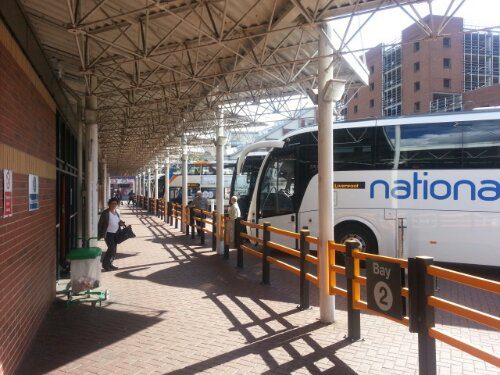
Leeds City: A Popular Bus Station
Leeds City Bus Station is a fully enclosed, single-storey structure with a glass roof that maximises natural light. From here, passengers can travel to nearby areas like Huddersfield, Wakefield, Dewsbury, Batley, Headingley, Guiseley, Kirkstall, and Otley, as well as destinations across the country.
West Yorkshire Metro: The Region’s Transport Authority
West Yorkshire Metro is the passenger information brand and transport authority for West Yorkshire, managing Leeds City Bus Station. Initially established as the West Yorkshire Passenger Transport Executive in 1974, it was formed by merging municipal bus services from Bradford, Leeds, Huddersfield, and Halifax. This merger brought together approximately 1,500 buses, 6,000 employees, garages, and associated infrastructure under unified management.
Advantages of Bus Transport
While Leeds offers other modes of public transport, buses remain the most popular due to several advantages:
- Accessibility: Buses are renowned for their accessibility, reaching areas not served by trains, trams, or planes. They can also cross city and national borders, sometimes replacing flights for certain routes.
- Eco-Friendliness: Buses are an environmentally friendly option, transporting more passengers per trip than private cars. Modern buses are equipped with advanced technology to reduce emissions.
- Cost-Effectiveness: Travelling by bus is more economical than flying or using personal vehicles.
- Comfort: Contemporary buses offer amenities like air conditioning, free Wi-Fi, toilets, reclining seats, and more, especially on international routes.
- Flexibility and Regularity: Bus schedules are flexible and can easily align with personal plans. Additionally, buses operate frequently, allowing passengers to catch the next one if they miss a departure.
Leeds City Bus Station is an integral part of the city’s public transport network, serving as a vital link for local and intercity travel. Its history and functionality highlight the significance of buses in modern urban transport.
We hope you found this article informative and learned something new about your city.